
M8. Secure Endpoint Protection
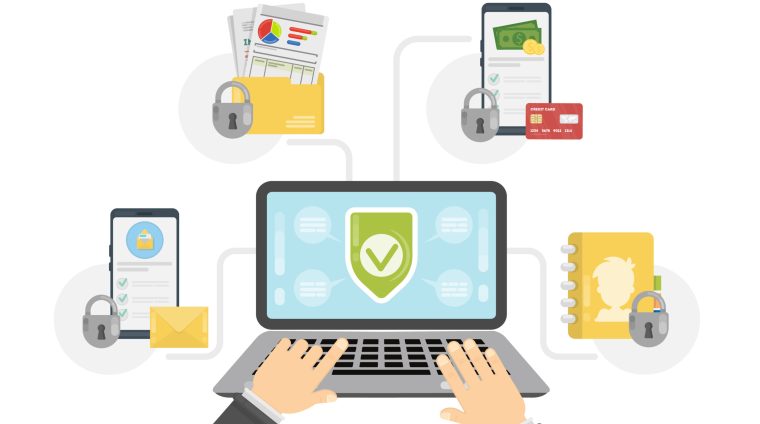
The Secure Endpoint Protection unit is an educational module designed to teach security strategies aimed at safeguarding computer systems and endpoint devices against various cyber threats. This unit covers topics such as antivirus software, firewalls, behavior analysis, and other security …
The Secure Endpoint Protection unit is an educational module designed to teach security strategies aimed at safeguarding computer systems and endpoint devices against various cyber threats. This unit covers topics such as antivirus software, firewalls, behavior analysis, and other security measures. Participants learn to create effective defense strategies against malicious software, integrate security measures, and manage computer systems securely. It encompasses a comprehensive security approach used to enhance information security for both organizations and individuals.
Aim: The primary goal of Secure Endpoint Protection is to safeguard computer systems and endpoint devices against various cyber threats. It encompasses security measures designed to provide effective defense against malicious software such as malware, viruses, and ransomware. It serves as a strategy employed by organizations and individuals to enhance information security and protect against cyber attacks.
Learning Outcomes
KNOWLEDGE
K1. Understand endpoint security and an overview of secure endpoint protection Measures.
K2. Defines Key components of secure endpoint protection, Antivirus, Firewall, and Encryption.
K3. Determine best practices for Implementing secure endpoint protection, patch management, threat detection, and user training.
SKILLS
S1. Obtain the ability to analyze and respond to emerging threats, including malware, ransomware, and phishing attacks, and develop effective strategies to mitigate their impact.
S2. Obtain the skills to manage and configure endpoint security solutions, including antivirus, firewalls, and encryption, and ensure their proper deployment and operation.
S3. Develop the knowledge of cybersecurity best practices, including patch management, access controls, data encryption, and user awareness training, and the ability to implement them effectively to safeguard endpoints.
RESPONSIBILITY AND AUTONOMY
RA1. Ensure the implementation and maintenance of endpoint security measures, including antivirus software, firewalls, and encryption, to protect against threats and vulnerabilities.
RA2. Provide taking ownership of endpoint security by proactively identifying and addressing potential risks, conducting regular security assessments, and implementing necessary controls to maintain a secure environment.
RA3. Create execute responding to security incidents promptly and effectively, including investigating and containing the incident, conducting forensics analysis, and implementing remediation measures to prevent future occurrences.
Curriculum
- 4 Sections
- 15 Lessons
- 6 Hours
- Fundamentals of Secure Endpoint Protection: Importance and Components of Endpoint Security6
- Endpoint Security Management and Tools: Security, Identity, Access Management and Endpoint Detection and Response (EDR) Solutions6
- Future Approaches to Endpoint Security: Artificial Intelligence and Machine Learning, Cloud-Based Security, Training and Awareness Programs5
- Further Readings1