Documentation and Compliance Reporting
The final phase ensures that all findings and actions are properly recorded and reported.
- Incident Documentation: Proper documentation is a critical component of post-incident response. It should encompass detailed records of the incident’s timeline, the nature of the breach, the steps taken to respond, and the recovery processes. Documentation serves multiple purposes: it aids in understanding the incident’s impact, supports legal and regulatory compliance, and provides a factual basis for post-incident reviews and audits.
- Compliance Reporting: Many organizations are subject to regulatory frameworks that mandate reporting of certain types of security incidents. This could include regulations like GDPR, HIPAA, or others specific to the organization’s industry or location. Compliance reporting involves notifying relevant regulatory bodies according to the stipulated timelines and formats. It typically requires the organization to outline the nature of the incident, the data affected, the potential impact on individuals, and the steps taken to mitigate and prevent future breaches.
- Communication with Stakeholders: Effective documentation and compliance reporting also involve transparent communication with stakeholders, including customers, employees, and partners. Depending on the nature of the incident and regulatory requirements, organizations may need to inform affected parties about the breach, what data was compromised, and how they are addressing the situation.
- Record Keeping for Future Reference: All documentation and reports should be securely stored and organized for future reference. This includes keeping records of incident logs, communication transcripts, decision-making processes, and compliance filings. These records are essential for future security audits, legal inquiries, or regulatory inspections.
- Review and Update Documentation Procedures: Post-incident, it’s vital to review and update documentation procedures to ensure they remain effective and compliant with current laws and regulations. This might involve updating templates, improving data collection processes, or enhancing security measures to protect incident records.
- Training and Awareness: Ensure that all relevant personnel are trained on documentation and compliance reporting procedures. Regular training sessions can help staff understand the importance of accurate and timely documentation and ensure they are familiar with compliance requirements and reporting processes.
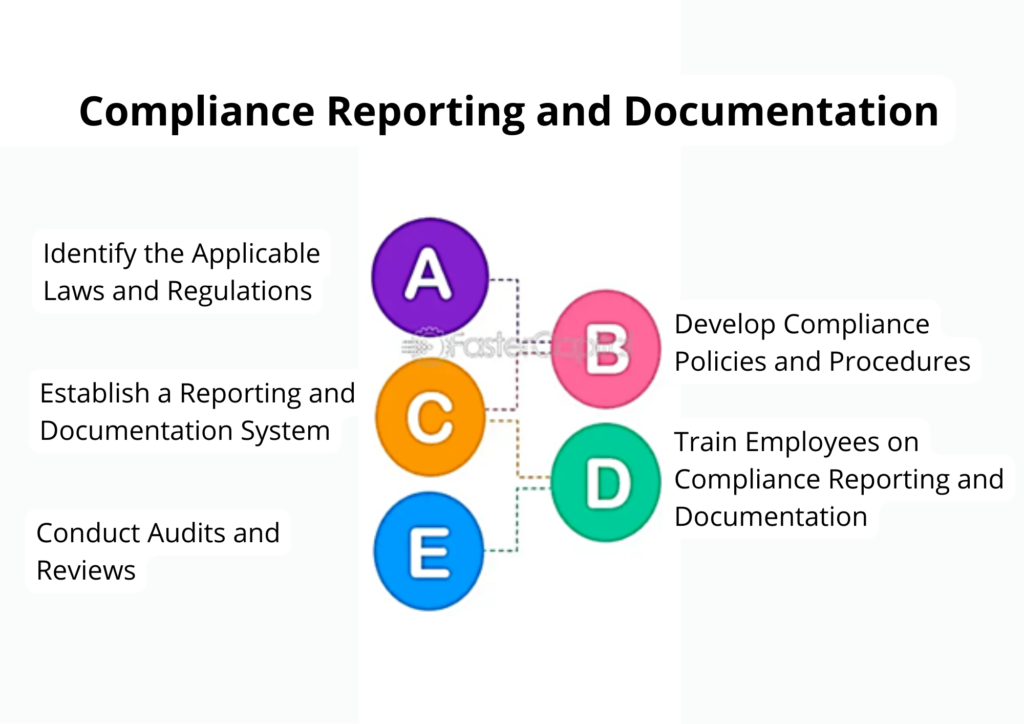
Figure-9