Ten Classic Phishing Techniques
1-Bait Creation: Crafted messages, typically emails, are designed to appear authentic, often mimicking reputable organizations. This technique aims to deceive recipients into believing the communication is legitimate.

2-Social Engineering: Phishers employ psychological manipulation to evoke emotions such as urgency or curiosity, compelling recipients to react impulsively without due scrutiny.

3-Deceptive Content: Phishing messages feature links or attachments that, once interacted with, redirect to malicious websites or deliver harmful software. Despite appearing genuine, these links lead to fraudulent sites intended to steal personal information.
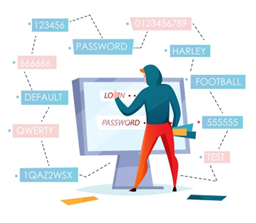
4-Spoofed Websites: Phishers fabricate websites mirroring legitimate ones to deceive victims into sharing sensitive information, believing they are interacting with a trusted platform.

5-Credential Theft: Fake websites prompt victims to disclose usernames and passwords, enabling phishers to unlawfully access victims’ accounts.

6-Malware Delivery: Phishing emails may contain infected attachments, which, upon opening, deploy malware onto the victim’s device, compromising security.

7-Spear Phishing: Targeted attacks involve extensive research on victims, often utilizing social media, to tailor highly personalized messages, enhancing the deception’s effectiveness.

8-Business Email Compromise (BEC): Phishers impersonate executives or employees within organizations, coercing colleagues into initiating financial transactions or divulging sensitive data.

9-Vishing and Smishing: Phishing extends beyond emails to encompass phone calls (vishing) and SMS messages (smishing), wherein attackers pose as legitimate entities to extract information from unsuspecting victims.

10-Data Harvesting: Phishing campaigns aim to amass vast quantities of personal data, which can be sold on the dark web or exploited for identity theft, fraud, or subsequent targeted attacks.