Compreender as estruturas de resposta a incidentes
In this section, participants will delve into the core principles and structures of an effective incident response framework:
Framework fundamentals: Incident response frameworks provide structured methodologies for handling security incidents. They typically outline phases such as Preparation, Identification, Containment, Eradication, Recovery, and Lessons Learned. Understanding these phases helps organizations prepare for, detect, manage, and recover from cyber incidents efficiently. Familiarity with standard frameworks like NIST’s Incident Response Lifecycle or SANS Institute’s Incident Handler’s Handbook ensures a comprehensive approach to cybersecurity threats.
Preparation and planning: The most crucial stage of any incident response framework is Preparation. This involves establishing an incident response policy, forming an incident response team, and developing communication plans and escalation paths. Adequate preparation includes regular training, simulation exercises, and the maintenance of response toolkits to ensure all team members understand their roles and responsibilities in the event of an incident.
Implementation and execution: Understanding how to apply the incident response framework during an actual incident is critical. This involves identifying the signs of a security breach, effectively containing the threat, eradicating the root cause, and restoring systems to normal operation. Execution also encompasses the ability to document actions taken and decisions made during an incident for regulatory compliance and post-incident analysis.
By thoroughly understanding incident response frameworks, organizations can ensure a coordinated and effective approach to cybersecurity incidents, minimizing impact and downtime.
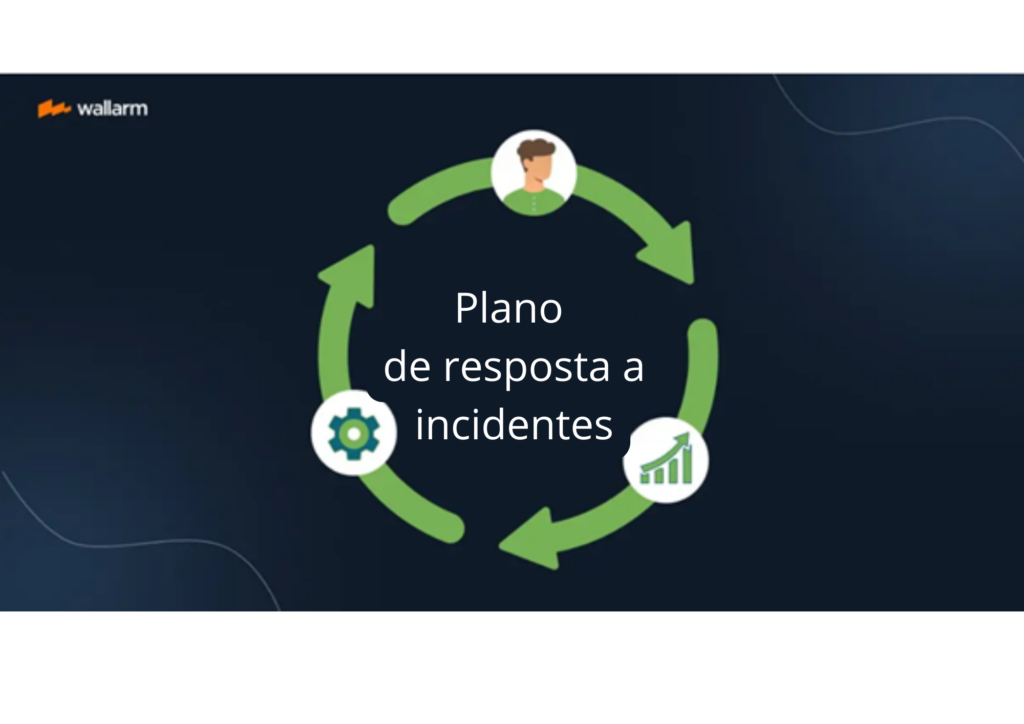
Figure- 4
(Source: https://lab.wallarm.com/what/incident-response-plan-frameworks-and-steps/)